
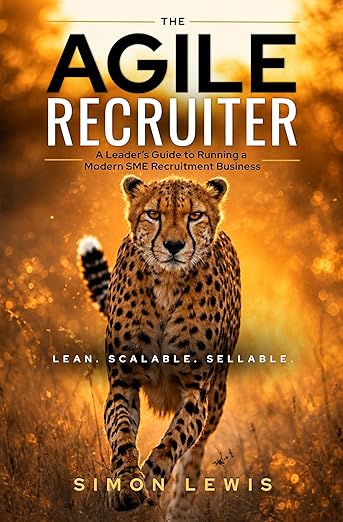


When focus meets intensity, productivity doesn't just improve – it transforms.
We've been conditioned to think that steady, consistent effort wins the race. But what if the secret to extraordinary productivity isn't pacing yourself – it's sprinting?
At some point in 2022 I adopted the principle of sprint-working, and it immediately increased my efficiency, providing me significantly more time in the day to pursue what I really wanted to do.
So here I am, with some science to back it up, pontificating the virtues of speedy delivery.
Sprint-working flips traditional productivity advice on its head. Instead of trying to maintain peak performance for eight hours straight, you work in intense, focused bursts followed by deliberate recovery. The results aren't just impressive – they're game-changing.
The Science Behind the Sprint
Your brain isn't designed for marathon focus sessions. Research shows that sustained attention starts declining after just 20-45 minutes, yet most of us try to power through hours of 'work' in one go that is just distracted motion.
Sprint-working aligns with your natural cognitive rhythms. By working in concentrated bursts – typically 30-90 minutes (my personal optimum is 45-minutes) – you tap into what psychologists call hyperfocus: a state where your brain operates at peak efficiency with minimal mental fatigue.
The neurological benefits are remarkable: • Enhanced creativity through alternating focus and relaxation • Improved memory consolidation during recovery periods • Reduced mental fatigue from shorter intense sessions • Increased dopamine production from frequent completion cycles
Why Sprints Multiply Your Output
- Deadline Magic Nothing focuses the mind like a ticking clock. When you know you have exactly 45 minutes to complete a task, you eliminate fluff and get straight to what matters. Parkinson's Law (suggesting you will stretch out the completion of your tasks until they fill the time available to complete them), works in reverse: tight deadlines create tight thinking.
- Single-Tasking Mastery Sprints force you to choose one thing and commit completely. No email checking, no social media scrolling, no 'quick' conversations. This mono-focus massively increases your effective output compared to fragmented attention.
- Natural Energy Cycles Your energy isn't constant throughout the day; it naturally undulates in predictable patterns. Sprint-working lets you align your most demanding tasks with your highest energy periods while using low-energy times for recovery and planning.
- Momentum Multiplication Completing a sprint triggers a psychological reward that fuels the next session. Instead of one long slog, you create multiple victories throughout your day, each one building momentum for what comes next.
The Sprint Framework That Works
The Basic Structure: • Sprint Duration: 25-90 minutes (find your sweet spot) • Recovery Period: 5-20 minutes of genuine rest • Daily Limit: 3-5 sprints maximum (quality over quantity) • Weekly Rhythm: Include longer recovery periods and planning sessions
Sprint Planning Essentials: • Choose your single focus before starting the timer • Eliminate all distractions: phone, notifications, other people • Define what 'done' looks like for this sprint • Set your environment up for success
Recovery That Actually Restores: • Move your body – walk, stretch, breathe deeply • Hydrate and nourish yourself properly • Avoid screens and stimulation • Process what you just accomplished
For business leaders, sprint-working allows you to: • Manage emails in dedicated time blocks • Review and respond to critical communications • Make strategic decisions in concentrated sessions • Handle administrative tasks efficiently • Prepare for important meetings and presentations • Tackle analysis without interruption
The Compound Effect of Sprint Habits
Week 1: You'll notice immediate improvements in focus and task completion
Month 1: Your capacity for deep work will expand significantly
Quarter 1: You'll accomplish more in less time with higher quality output Year 1: Sprint-working becomes your natural operating mode, giving you a massive competitive advantage
Common Sprint Pitfalls (And How to Avoid Them)
The Perfectionism Trap: Sprints are about progress, not perfection. Ship what you complete and refine in the next sprint.
Don't Skip Recovery: Breaks aren't optional – they're when your brain processes and consolidates what you just learned.
The Duration Steal: Longer isn't better. Find your optimal sprint length and stick to it.
The Distraction Drift: One notification can destroy an entire sprint. Protect your focus time like you'd protect a customer meeting.
Making Sprint-Working Stick
Start Small: Begin with 25-minute sprints and gradually find your optimal duration Track Results: Measure what you accomplish versus traditional working methods Adjust Timing: Experiment with different sprint lengths for different types of work Build Rituals: Create consistent start and stop routines that signal sprint mode
The Sprint Advantage
For me, sprint-working isn't just another productivity hack. It's a fundamental shift in how you approach work. By working with your brain's natural rhythms instead of against them, you don't just get more done, you get the right things done with less stress and higher quality.
In a world of constant distraction and competing demands, the ability to focus intensely for short periods isn't just valuable – it's your secret weapon.
Stop trying to run a marathon. Start sprinting. Your best work is waiting.
Simon Lewis, Founder, RecConnect – the recruitment leader community. You might be interested in my Substack content about surviving small business burnout in the age of hustle. Follow me at Playing Injured.